

Travel Insurance for Nepal Trekking: The Altitude Clause
Most travel policies stop covering you at 3,000 or 4,500 metres — an altitude ceiling below every base camp trek in Nepal, and few travellers ever check it.
NepGem team · Local guides and trip planners
· 12 min read

 [PHOTO]
Travel insurance for a Nepal trek is not a formality you tick before checkout — it is the difference between a genuine emergency costing you a claim form or costing you USD 5,000–15,000 in cash before a helicopter will lift off. This guide sits alongside our full trek cost breakdown as one of the line items travellers most consistently under-research, because most policies are written for a beach holiday, not a trek that crosses 5,000 m, and the gap between those two things is exactly where trekkers get caught out.
The clause matters most for the exact scenario every trekker hopes not to need it for: altitude sickness severe enough to require descent by helicopter rather than on foot. That is precisely the emergency a compliant policy is built to cover, and precisely the one an inadequate policy is most likely to refuse.
The clause that voids most policies
The single clause that voids the most Nepal trekking claims is the altitude ceiling, and it is worth checking before anything else about a policy. Most standard travel insurance policies — the kind sold as an add-on when you book a flight, or bundled with a credit card — cap "adventure activity" cover at 3,000 m or 4,500 m, and some exclude trekking above 2,000 m entirely unless it is separately named as a covered activity.
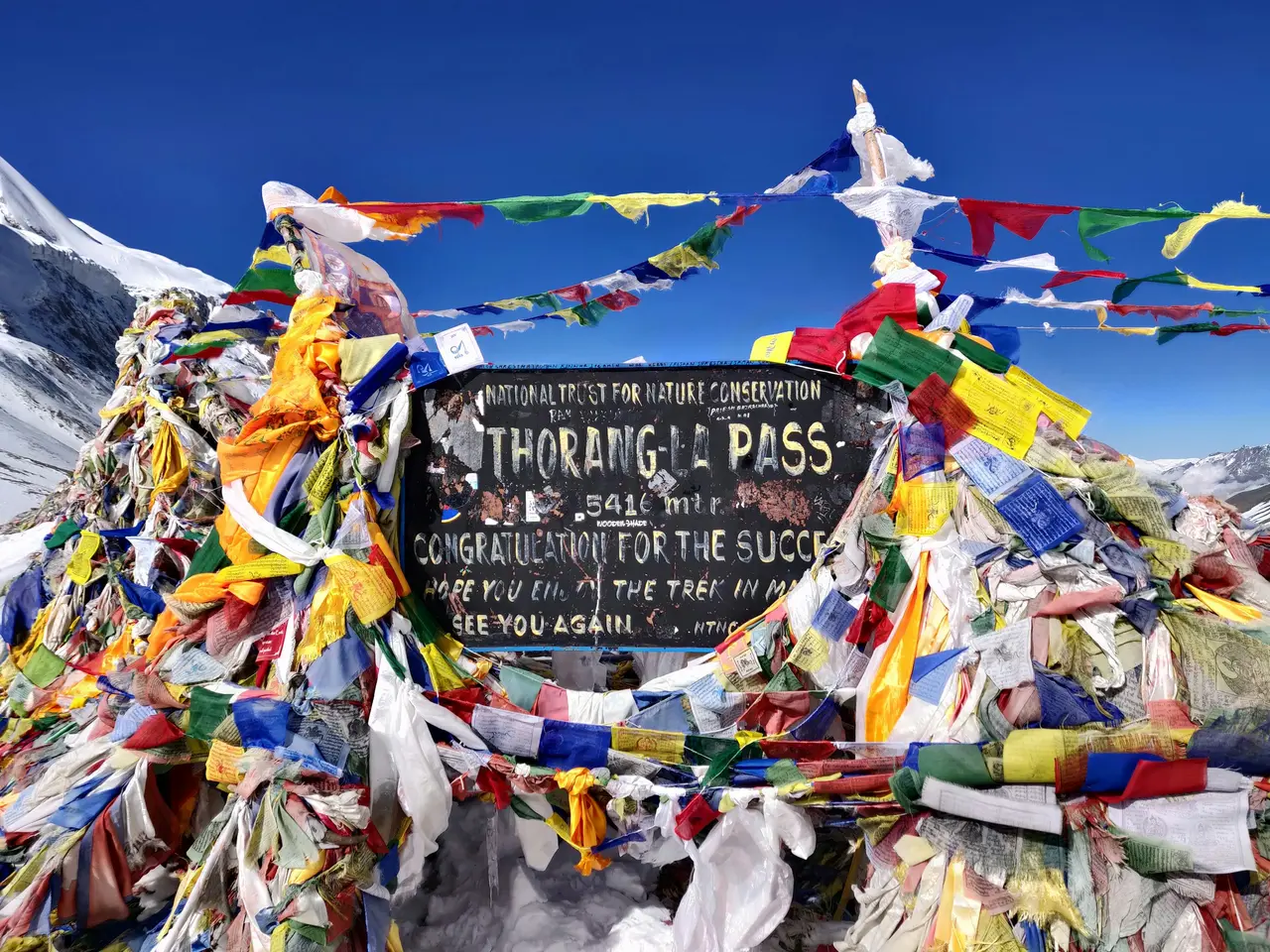
Every meaningful trek in Nepal exceeds these ceilings. Everest Base Camp sits at 5,364 m, Annapurna Base Camp at 4,130 m, Thorong La on the Annapurna Circuit at 5,416 m, and even the comparatively gentle Poon Hill viewpoint reaches 3,210 m — above the lower of the two common default ceilings. A policy that looks perfectly adequate on its summary page, and that would pay out without question for a twisted ankle in Kathmandu, can become worthless the moment a genuine emergency happens above the stated altitude line, because the insurer's position is that you were engaged in an activity outside your covered scope. This is not a technicality insurers rarely enforce — it is the single most common reason claims for high-altitude trekking incidents are refused, and it is checked first, not last, when an insurer reviews a claim.
The confusion usually starts at the point of sale. Many general travel policies are sold with a single blanket "adventure sports" upgrade that covers activities as varied as scuba diving, skiing and hiking under one line item, with a single altitude figure buried several pages into the policy wording rather than stated on the summary page you actually read before buying. Two policies from different insurers can both advertise "adventure cover included" while one caps altitude at 2,000 m and the other at 6,000 m — the marketing language tells you nothing useful, and only the policy document's specific numbers do.
The five things your policy must actually say
A policy adequate for Nepal trekking needs to state five specific things clearly, not imply them. First, an altitude limit that exceeds your trek's maximum point by a safety margin — cover to 6,000 m for an Everest Base Camp or Three Passes trek, not cover to exactly 5,364 m, since side trips and acclimatisation walks (Kala Patthar at 5,644 m, or Chhukung Ri) often exceed the headline base camp altitude.
Second, helicopter evacuation specifically named as covered, including from remote trailside locations rather than only "from the nearest hospital" — a phrase that assumes road access most trekking regions don't have. Third, repatriation cover, which pays for getting you home after treatment, a genuinely separate cost from the evacuation and hospital treatment themselves and one some cheaper policies quietly exclude or cap low. Fourth, trip interruption and cancellation cover, which matters given how often Lukla flight delays or a medical evacuation partway through a trek disrupt the remainder of an itinerary and any onward travel booked around it.
Fifth, and most commonly missed: "trekking" or "hiking" must be a named covered activity on the policy, not merely absent from an exclusions list. Insurers distinguish between an activity that is silently allowed and one that is explicitly covered, and in a dispute, silence favours the insurer. Read the policy's activity list directly — do not rely on a sales page's general "adventure travel" marketing language, which frequently oversells what the underlying policy wording actually guarantees.
Treat these five as a checklist to run through the actual policy document, line by line, before you buy — not as background knowledge to half-remember while skimming a summary page. Screenshot or print the relevant clauses and keep them accessible offline on the trek itself; a Kathmandu hospital admissions desk or a helicopter dispatcher asking "what does your policy actually say" is not a moment to be relying on patchy mountain data signal to find your policy PDF.
What a helicopter evacuation costs if you're uninsured
An uninsured helicopter evacuation from a mid-altitude trekking location — Namche Bazaar, Manang, or similar — to a Kathmandu hospital typically costs USD 3,000–6,000, and from a higher, more remote point such as Everest Base Camp or a high camp on a trekking peak, costs commonly run to USD 10,000–15,000 depending on distance, weather risk and whether a second aircraft or additional crew is needed.
The uncomfortable reality for uninsured trekkers is the pay-before-you-fly norm: most helicopter operators in Nepal require a credit card guarantee, a wire transfer confirmation, or direct payment before dispatching an aircraft, particularly for a foreign national without a confirmed insurance guarantee already on file. This is not unique to Nepal — it reflects the genuine cost and risk of high-altitude helicopter operations — but it means a medical emergency at 5,000 m can become a financial emergency within the same hour, with a stranded, unwell trekker's travel companions or family scrambling to arrange payment from thousands of kilometres away while the aircraft waits on the ground.
Insured trekkers skip this entirely: a policy with a direct evacuation-provider guarantee (rather than a reimbursement-only model) allows the insurer or their local partner to authorise payment directly to the helicopter operator, and the flight can be airborne within an hour of the call in good weather, rather than delayed by payment logistics on top of everything else.
Helicopter evacuation is not always the answer, either — for a lower-altitude injury near a roadhead, a jeep evacuation along routes covered in our guide to getting around Nepal can be faster, cheaper and medically just as appropriate, particularly on routes like Langtang or the lower Annapurna Circuit where road access reaches within a few hours' walk of the trail. A good guide and a good policy both leave that judgement — helicopter versus vehicle versus walking out under supervision — to be made on medical grounds in the moment, not by whichever option happens to be easiest to arrange.
The insurance-fraud scandal, and why it matters to you
In 2018, Nepal's Tourism Ministry and insurance regulators launched a formal crackdown following widespread reports that some helicopter companies, in coordination with a small number of trekking agencies and even complicit doctors, had been arranging unnecessary evacuations to profit from inflated insurance claims — trekkers with mild symptoms were reportedly encouraged into costly helicopter rides that a short rest or descent on foot would have resolved just as safely. The scandal led to new government oversight requirements for evacuation companies, tighter documentation standards, and reputational damage that reputable operators in the industry have spent years working to recover from.
This history matters directly to how you should choose who you trek with. A guide paid a flat daily rate, with no financial stake in whether you get evacuated, has no incentive to push you toward an unnecessary helicopter ride — their incentive is a trekker who completes the route safely and leaves a good review. A guide or agency with an undisclosed commission arrangement with a specific helicopter operator has the opposite incentive, however subtly it's expressed on the trail. This is exactly the kind of misalignment that transparent, direct guide-hire is designed to remove: when you can see a guide's licence, reviews and track record before you pay them directly, there is no hidden intermediary whose income depends on your emergency.
The same instinct that helps you spot this kind of misalignment — asking directly rather than assuming good faith — is worth applying more broadly on the trail, and our guide to Nepal travel etiquette covers the wider question of how to build the kind of respectful, direct relationship with your guide and lodge hosts that makes them candid with you rather than telling you what they think you want to hear. A guide who feels able to say "you should walk down, not fly" without worrying about disappointing you is exactly the guide you want in an emergency.
Altitude ceilings by route
Match your policy's altitude limit against your actual route's maximum point, including side trips, not just the headline destination.
| Route | Maximum altitude reached | Minimum cover needed |
|---|---|---|
| Poon Hill / Ghorepani | 3,210 m | 4,000 m |
| Annapurna Base Camp | 4,130 m | 4,500 m |
| Langtang Valley (Kyanjin Ri) | ~4,984 m | 5,500 m |
| Everest Base Camp (with Kala Patthar) | 5,644 m | 6,000 m |
| Annapurna Circuit (Thorong La) | 5,416 m | 6,000 m |
| Everest Three Passes | 5,535 m (Kongma La) | 6,000 m |
| Island Peak / Mera Peak climbs | 6,189 m / 6,476 m | 6,500 m (specialist mountaineering policy) |
Note the pattern: cover should exceed your route's stated maximum by several hundred metres in every case, because acclimatisation walks and side trips routinely go higher than the "official" trek altitude quoted in marketing material, and an insurer measures your actual GPS-logged position at the time of a claim, not the itinerary you booked.
Peak-climbing trips such as Island Peak (6,189 m) and Mera Peak (6,476 m) sit in a different insurance category entirely from teahouse trekking, because they typically involve roped travel, fixed lines and technical terrain that a standard "high-altitude trekking" policy explicitly excludes even where its altitude ceiling is nominally high enough. A specialist mountaineering policy naming the specific peak, or peaks above a stated technical grade, is required — check this distinction carefully if your itinerary includes a peak climb bolted onto a base camp trek, since the two activities are frequently priced and covered as separate risk categories on the same policy.
How to file a claim from a trail
Documentation started on the trail, not after you're home, is what makes or breaks a Nepal trekking insurance claim. Keep every original receipt — lodge bills, helicopter invoices, clinic charges at Pheriche or Manang's HRA posts — since photocopies or phone photos of a torn receipt are routinely challenged by claims assessors reviewing a file from thousands of kilometres away.
A dated medical report from any clinic you visit, including the HRA posts, carries significant weight, as does a written note from your guide describing the incident, symptoms and decisions made, since a licensed guide's account is treated as credible third-party documentation by most insurers. Photograph the helipad, the aircraft registration if visible, and any signage at the point of evacuation — this level of documentation feels excessive in the moment but is exactly what separates a smooth claim from a contested one. Call your insurer's emergency line during the incident, not after returning home, wherever phone or satellite signal allows; most policies specify that pre-authorised evacuation is a materially different claim category to reimbursement after the fact, and pre-authorisation is faster and less contested.
Once you're back at lower altitude or home, file the claim promptly rather than waiting — most policies specify a claim-notification window measured in days, not months, and a late notification is itself a common reason for a partial or full claim rejection regardless of how legitimate the underlying incident was. Keep a single folder, physical or digital, gathering every receipt, report and photo as you go rather than trying to reconstruct the sequence of events from memory once you're home and the adrenaline of the moment has faded.
FAQ
Do I need special insurance for Everest Base Camp? Yes — cover must extend to at least 5,600 m and include helicopter evacuation, since Everest Base Camp sits at 5,364 m and the popular Kala Patthar viewpoint reaches 5,644 m. A standard travel policy capped at 3,000 or 4,500 m will not pay out for an incident at either point.
How much is helicopter rescue in Nepal? An uninsured helicopter evacuation typically costs USD 3,000–6,000 from mid-altitude locations and USD 10,000–15,000 from higher or more remote points such as Everest Base Camp. Most operators require payment or an insurance guarantee before dispatching the aircraft.
Does regular travel insurance cover trekking? Often not above a stated altitude ceiling, commonly 3,000 or 4,500 m, and only if "trekking" or "hiking" is named as a covered activity rather than simply not excluded. Check the policy's activity list directly rather than relying on general marketing language.
What altitude do I need covered for Annapurna Circuit? At least 5,416 m for Thorong La, the circuit's highest point — with a safety margin, cover to 6,000 m is the more reliable choice, since acclimatisation walks near Manang and side trips can add unplanned altitude to your recorded route.
Hire a guide who won't push you into a helicopter you don't need
Insurance protects your finances if something goes wrong; the guide standing next to you decides whether something actually needs to go wrong at all. Hire the guide, not the agency: NepGem shows you a guide's licence number, altitude record and reviews before you pay, so you know exactly who is making the call if symptoms appear on the trail, and that person has no hidden commission riding on an unnecessary evacuation.
Pair the right guide with the right policy and you've closed both ends of the risk: a professional whose only incentive is your safe, honest outcome, and cover that actually pays out if a genuine emergency happens at 5,000 m rather than voiding on a technicality you never read. Neither one substitutes for the other — book both before you fly.


