

Nepali Food Beyond Dal Bhat
Dal bhat is only the start — a region-by-region guide to twenty real Nepali dishes, who cooks them, and what each one actually contains.
NepGem team · Local guides and trip planners
· 15 min read

Dal bhat is a genuinely good answer to "what should I eat in Nepal," but it is one dish out of a national food culture shaped by Newar palace kitchens, Thakali trade-route teahouses, Tibetan-influenced high-altitude cooking, and Terai lowland traditions that share more with neighbouring Bihar than with Kathmandu. This guide names twenty real, specific dishes, who traditionally cooks them, and where you are likely to find each one, so that a first trip covers considerably more ground than dal bhat and momo. It pairs with the Kathmandu travel guide for where to eat in the capital specifically, and with what to expect in your first 24 hours in Kathmandu if this is your first Nepali meal at all.
Dal bhat, properly understood
Dal bhat is Nepal's staple meal: steamed rice (bhat), a lentil soup (dal), a vegetable curry (tarkari), a pickle or chutney (achar), and usually a portion of sautéed greens (saag), served together on one plate or tray. What sets it apart from a generic curry-and-rice combination is the refill: in almost every Nepali kitchen, home or restaurant, dal, rice and vegetables are refilled free of charge until you are full, which is both genuine hospitality and, on a trekking route specifically, the reason guides and porters eat almost nothing else.
The lentil itself varies by region and season. Hill kitchens commonly use masoor (red lentil) or a mixed lentil blend; Terai kitchens lean more on chana (split chickpea) and moong dal, closer to eastern Indian styles. The vegetable curry rotates with whatever is seasonally available and cheap that week, which is part of why dal bhat rarely tastes identical twice even at the same restaurant. On a trek above 3,000 m, dal bhat is close to the only sensible order: it is cooked fresh to order rather than left sitting, it is hot, it is calorie-dense enough to fuel a full trekking day, and the free refill means you are not paying extra to eat until satisfied at altitude, where appetite is already suppressed. Guides half-jokingly call it "dal bhat power, 24 hour," and on the trail, that is close to literal advice rather than a slogan.
Momo, and the four kinds
Momo, a steamed or fried dumpling of Tibetan origin, has become Nepal's most widely eaten fast food, filled traditionally with minced buffalo (locally "buff"), and just as commonly today with chicken, pork or vegetables. Four versions turn up on almost every Kathmandu menu. Steamed momo is the classic form: a thin dough wrapper pleated around the filling, steamed, and served with a tomato-and-sesame achar for dipping. Kothey momo is pan-fried on one side after steaming, giving a crisp golden base against a soft top — texturally the closest momo gets to a pot-sticker. Jhol momo arrives swimming in a warm, spiced tomato-sesame broth rather than served dry, a Kathmandu street-stall favourite that works better as a light meal than a snack. C-momo, or chilli momo, is a newer fusion evolution: momos are deep-fried, then tossed in a sweet-spicy chilli-garlic sauce closer to a Chinese-Nepali stir-fry than a traditional dumpling preparation, and it is now common enough to count as its own category rather than a novelty.
Momo carts and small dedicated momo shops cluster thickly around Ason, Thamel and New Road in Kathmandu, and quality varies more by how fresh the filling is prepared that day than by how polished the restaurant looks; a busy stall turning over dumplings quickly is usually a better bet than a quiet one with the same menu.
Newari dishes
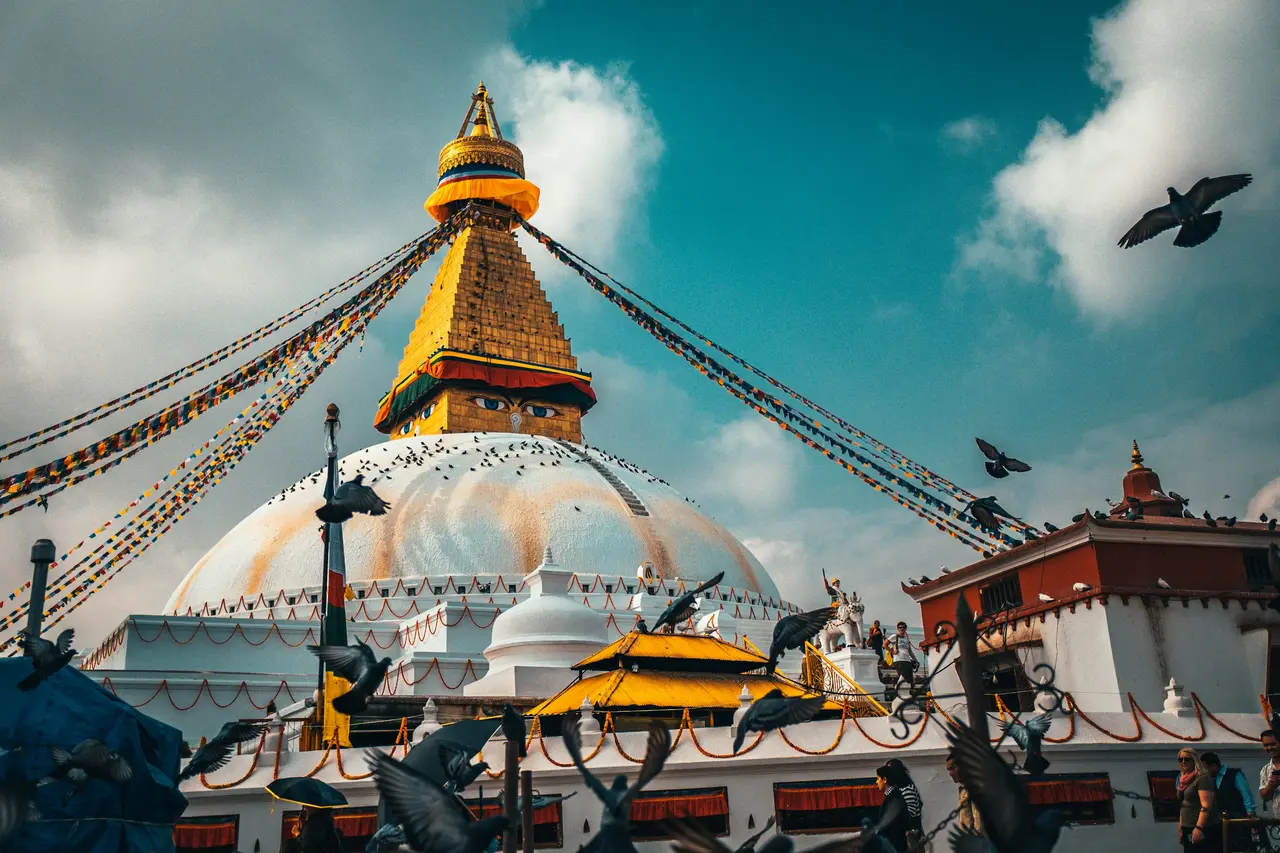
Newar cuisine, from the valley's indigenous Newar community, is Nepal's most structured and ceremony-linked food tradition, built around specific dishes eaten at specific festivals and gatherings rather than as everyday fare alone. Samay baji is the centrepiece: a ceremonial platter combining beaten rice (chiura), spiced buffalo meat, soybeans, ginger, black lentil fritters, a boiled egg and pickle, traditionally eaten at festivals and family gatherings, and increasingly served as a shareable bar snack in Kathmandu's Newar restaurants. Choila is the dish inside samay baji most worth learning by name on its own: buffalo meat, char-grilled or smoked, then tossed with mustard oil, chilli, garlic and ginger, served at room temperature rather than piping hot, and traditionally paired with beaten rice and a home-distilled spirit called aila.
Bara is a savoury pancake made from ground black gram (maas ko daal) batter, sometimes topped with a fried egg or minced meat before cooking, closer to a thick lentil fritter than a Western pancake. Chatamari, often nicknamed "Newari pizza" for its flat round shape, is a rice-flour crepe topped with minced meat, egg or vegetables and baked or pan-cooked. Yomari is the Newar community's most distinctive sweet: a steamed, fig-shaped rice-flour dumpling filled with molasses (chaku) or khoya (reduced milk solids) and sesame, traditionally made for the Yomari Punhi festival around the December full moon, and worth seeking out specifically in that season if your dates line up. Aila, the rice or millet spirit mentioned above, is drunk in small measures alongside samay baji at Newar gatherings and is worth trying once in a controlled setting rather than skipped entirely, given how central it is to how these dishes are traditionally served together. Newar culture in the Kathmandu Valley covers the wider festival calendar these dishes belong to.
Thakali
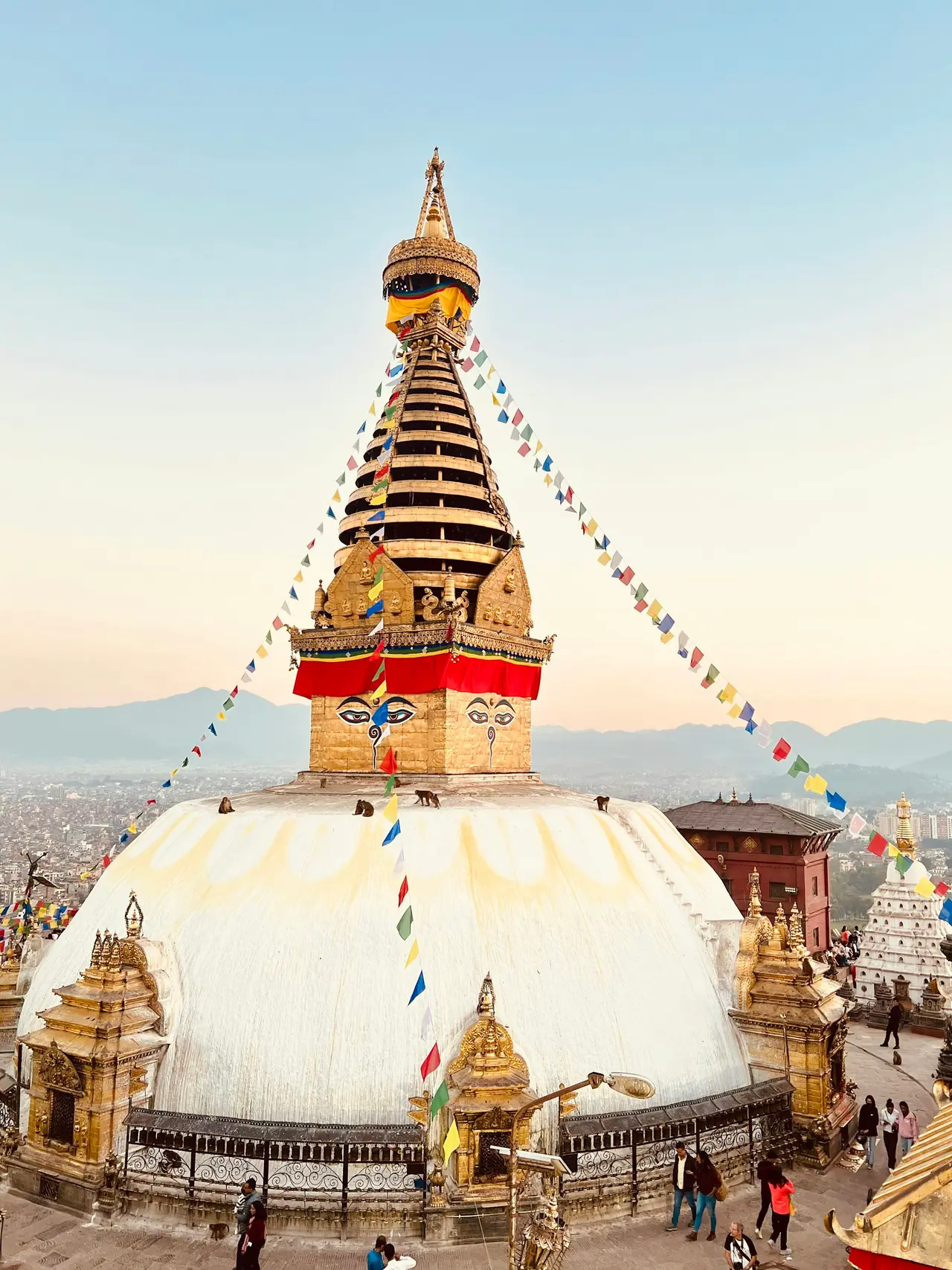
The Thakali people, from the Thak Khola region around Tukche, Marpha and Jomsom along the upper Kali Gandaki, historically ran the trans-Himalayan salt and grain trade routes between Tibet and the Indian plains, and built a teahouse tradition along those routes that eventually produced what is widely considered the best-value thali in the country. A proper Thakali thali is dal, rice, at least two vegetable curries, sautéed greens, pickle and often a meat option, with the same free-refill principle as dal bhat elsewhere but noticeably more elaborate in the number of separate dishes on the tray.
Along the Annapurna Circuit itself, Marpha, Tukche and Jomsom are the villages where Thakali kitchens are the genuine local tradition rather than an imported restaurant format, and eating a Thakali thali in one of these villages, rather than at a Thakali-branded restaurant chain in Kathmandu or Pokhara, is a noticeably different and more specific experience. Local ingredients set Thakali cooking apart from hill cooking further east: buckwheat features heavily given the altitude and soil, Marpha is well known nationally for its apples and apple products including dried apple and apple brandy, and timur, a Sichuan-pepper relative with a distinctive numbing citrus note, seasons many of the region's curries. Thakali restaurant chains have since spread across Kathmandu and Pokhara using the same "Thakali thali" name, and while the quality varies, the format itself, more curries and more refills than a standard dal bhat, has held up well as a national restaurant genre in its own right.
Terai and Mithila cooking
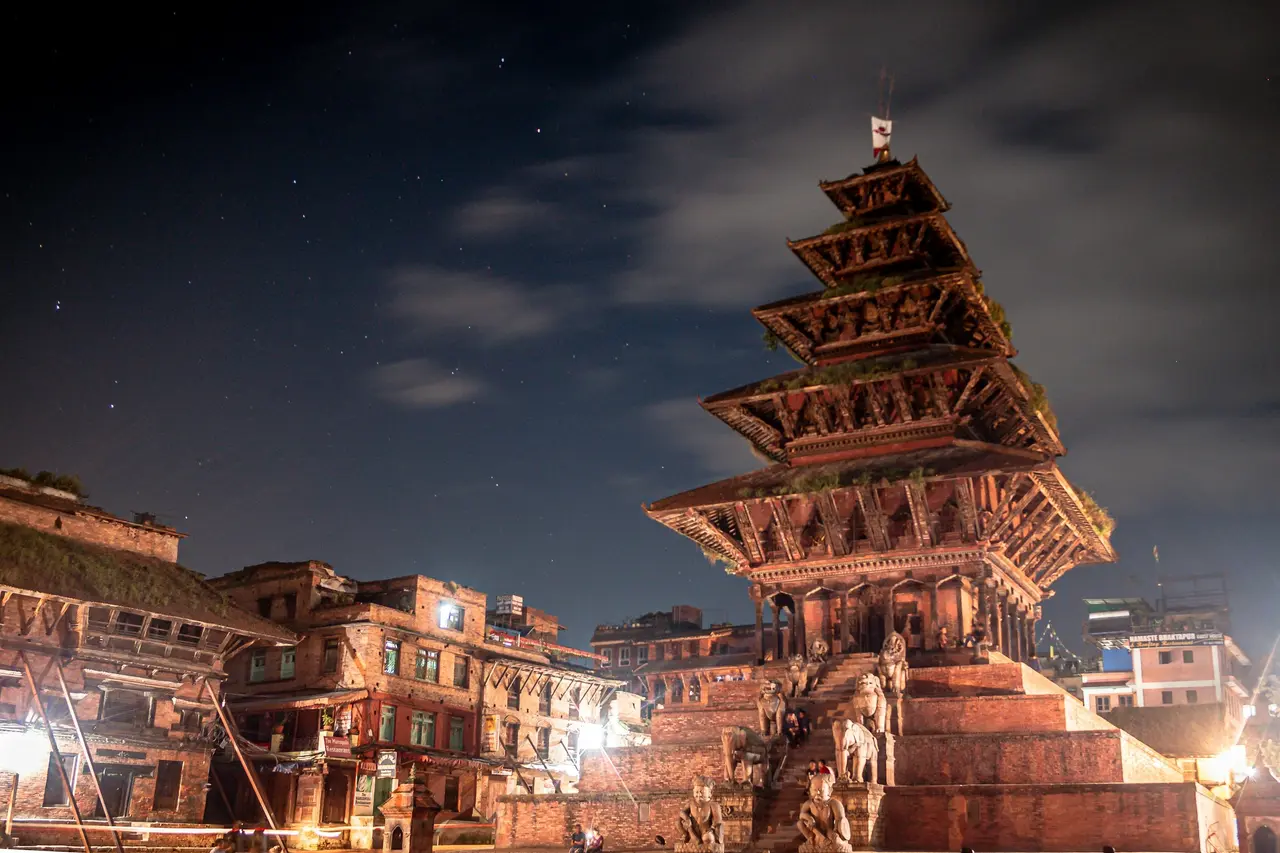
Nepal's southern Terai lowlands share more culinary ground with neighbouring Bihar in India than with the Kathmandu Valley or the hills, a product of the plain's flat geography, shared river systems and centuries of cross-border movement across an open, largely unmarked frontier. Terai cooking leans more heavily on mustard oil than the ghee and vegetable oil common in the hills, uses more freshwater fish from rivers and village ponds, and features more dairy in everyday cooking, including paneer and ghee used generously rather than sparingly.
Around Janakpur and the wider Mithila cultural region, litti-chokha is a signature dish: roasted balls of wheat dough stuffed with spiced roasted gram flour (sattu), traditionally cooked over open coals, served with chokha, a smoky mash of roasted eggplant, tomato and potato. Dahi-chiura, a simple combination of curd and flattened rice, is a common breakfast or light meal across the Terai, eaten plain or with a little jaggery. Terai thalis generally run spicier and more mustard-forward than their hill equivalents, and a curry that would be described as mild in Kathmandu is often noticeably sharper by the time you cross into the plains. Sel roti, covered further down as a street food, is also widely eaten in the Terai, though its origins trace to the hills rather than the plains themselves.
Fish curry is a genuinely Terai-specific dish rarely seen this far south in the hills or in Kathmandu: river fish, often rohu or catfish species pulled from the Koshi, Narayani or smaller local rivers and ponds, cooked in a mustard-oil-based curry with turmeric and green chilli. Around festival time, particularly Chhath, a major Terai and Mithila festival honouring the sun god, kitchens produce large quantities of thekuwa, a dense, mildly sweet fried wheat-and-jaggery snack that keeps well and travels easily, similar in purpose to sel roti further north but distinct in both texture and flavour.
Himalayan food
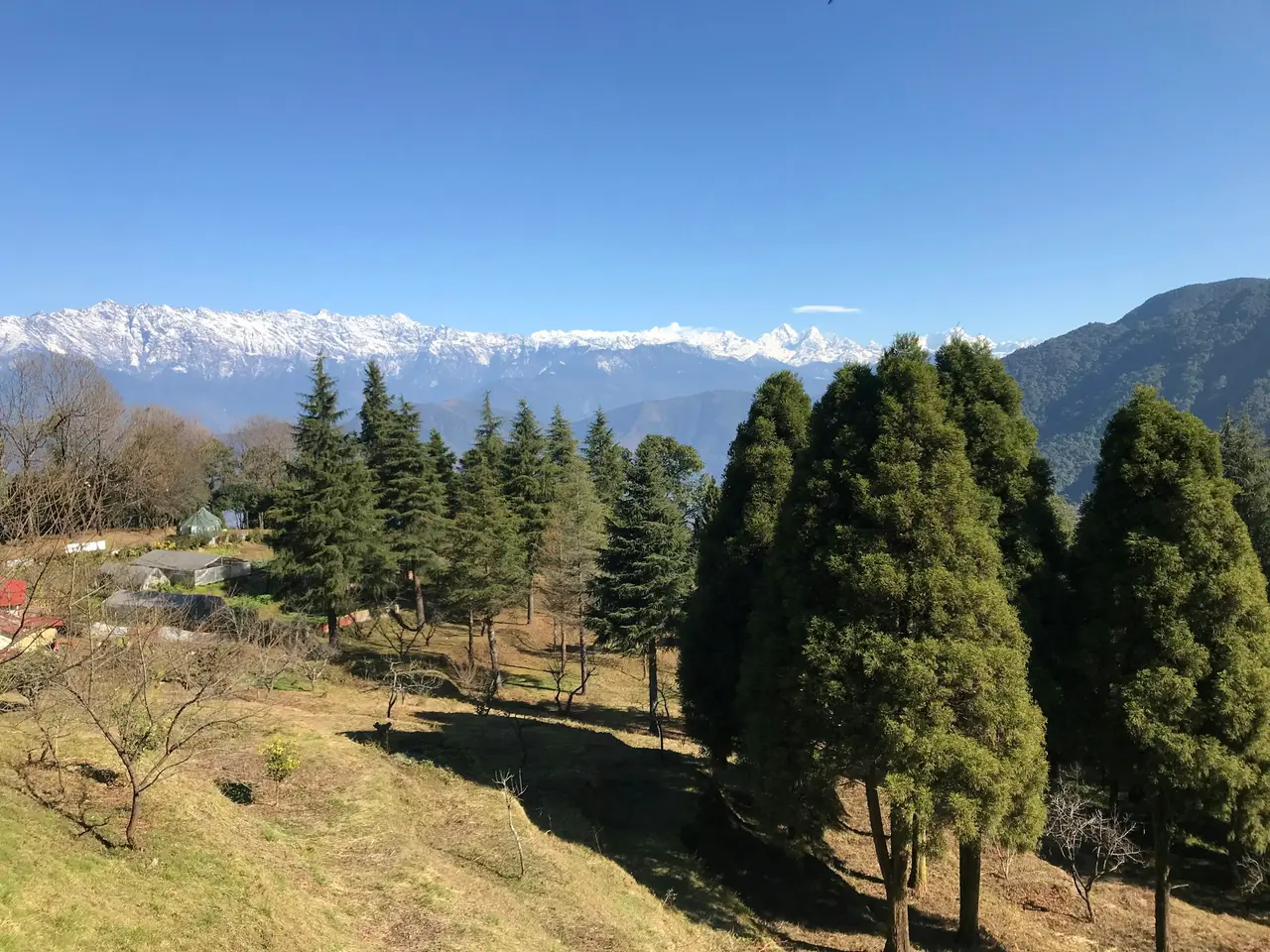
High-altitude Nepali cooking, shaped by Tibetan and Sherpa culinary tradition, prioritises calorie density and warmth over variety, for reasons that make immediate sense once you have spent a day walking at altitude in the cold. Thukpa, a hearty noodle soup with vegetables and often meat in a well-seasoned broth, is the most widely available and approachable of these dishes for a first-time visitor, and a reliable, warming order on any cold trekking evening. Tsampa, roasted barley flour, is a traditional Sherpa and Tibetan-heritage staple, mixed into a dough-like paste with butter tea or water rather than cooked as a separate dish, and still eaten daily in some Khumbu and Mustang households even where restaurant menus have moved on to more visitor-friendly options. Shyakpa, a Tibetan-style stew of meat, potato and radish in a light broth, turns up on menus in the Khumbu and Mustang specifically, and is a good order for a filling, less-rich alternative to thukpa on a longer trek.
Dhido (also spelled dhindo), a thick porridge made from buckwheat, millet or maize flour, is the older hill staple that predates rice cultivation's spread into Nepal's mid-hills, and many Nepalis still consider it the more authentically national dish, even though dal bhat has overtaken it in everyday popularity. It is traditionally eaten with gundruk, fermented and dried leafy greens made from mustard, radish or cauliflower tops, a preservation technique developed for the lean months when fresh vegetables are unavailable in the hills; gundruk's sharp, tangy flavour is an acquired taste worth trying at least once, either as a soup or a dry side dish. Tibetan bread, a deep-fried flatbread usually served with jam or honey, is a common and filling trekking breakfast. Butter tea (po cha, sometimes called suja), salted tea churned with yak butter, is the most divisive item on this list: it reads as savoury rather than sweet to a first-time drinker, and the honest advice is to try a small cup rather than a full mug, and to ask for sweet milk tea (chiya) instead without embarrassment if it is not to your taste — declining butter tea is not an insult to your hosts, and most lodge kitchens will not be offended in the slightest.
Street food
Sel roti is a ring-shaped, deep-fried rice-flour doughnut, crisp on the outside and chewy within, traditionally made in large batches around Dashain and Tihar and sold year-round by street vendors and at bus-station stalls. Panipuri, known regionally in India as golgappa or phuchka, is a crisp hollow shell filled with spiced tamarind-and-mint water, potato and chickpea, and is as popular a Kathmandu street snack today as anywhere on the subcontinent. Chatpate, a distinctly Nepali invention, mixes puffed rice, crushed instant noodles, diced potato, chickpea, chilli and tamarind water into a tangy, spicy bowl sold from carts outside schools and colleges, and is worth trying specifically for how unlike any other regional snack food it is. Lakhamari, a Newar sweet associated particularly with Bhaktapur, is a crisp fried dough, often glazed, traditionally made for weddings and festivals and sold year-round in Bhaktapur's old-city sweet shops.
Eating vegetarian and vegan
Nepal is a genuinely easy country for vegetarians, given large Hindu and Buddhist populations that avoid or limit meat, and the way dal bhat itself is structured: in most homes and trekking lodges, the vegetarian dal bhat tarkari is the default order, with meat sold as a separate, priced add-on rather than baked into the standard dish. Vegetable momo is available everywhere meat momo is sold, and Newar restaurants generally offer a vegetarian version of samay baji built around soybeans and lentil fritters in place of choila.
Vegan travellers face one specific obstacle: ghee (clarified butter) and dairy are used generously across Nepali cooking, from butter tea to juju dhau, the thick set yoghurt associated with Bhaktapur, to ghee stirred through dal or rice for flavour. The practical fix is simply to ask kitchens directly for food cooked without ghee or butter, which most teahouses and restaurants, used to foreign dietary requests, can accommodate without much difficulty, particularly outside the busiest lodges at peak trekking season. On trekking routes specifically, a plain vegetarian dal bhat with rice, lentils and vegetable curry is often the cheapest item on the entire menu, which works in a vegan traveller's favour rather than against it.
A useful phrase to learn either way is simply asking for a dish "without ghee, without egg" in English, which almost every lodge kitchen along the main trekking routes now understands without difficulty, given how common the request has become. Buddhist monasteries and guesthouses run by Buddhist families, more common in the Khumbu, Mustang and Tibetan-heritage areas, are often the most naturally accommodating kitchens for strict vegetarian or vegan requests, since the dietary principle is already built into how the household itself eats day to day.
What to be careful with
Meat above roughly 3,000 m deserves genuine caution, not because Nepali kitchens are careless, but because of straightforward supply-chain physics: there is no road above Lukla or most other high trailheads, so meat is carried up over several days by porter, mule or occasionally cargo flight, without refrigeration at any point in that journey. Many experienced guides recommend sticking to vegetarian dal bhat, eggs and dairy once you are above Namche Bazaar or Dingboche specifically, not as an absolute rule, but as a sensible default that avoids the single most common cause of trekker stomach trouble on high routes.
Tap water and untreated stream water should never be drunk directly anywhere in Nepal, cities included; boiled water, a reliable filter, UV purification or chlorine/iodine tablets are all standard and effective options, and most trekking lodges now sell or provide boiled water specifically to reduce the plastic-bottle waste that used to pile up along popular routes. Raw salad and unpeeled fruit carry a smaller but real risk in more remote areas, since the washing water itself may not be treated; established lodges on main trekking routes are generally reliable, while cheaper roadside stalls in less-visited areas carry more uncertainty. When genuinely unsure, cooked and served-hot food is close to always the safer order.
FAQ
What is the national dish of Nepal? Dal bhat — steamed rice, lentil soup, a vegetable curry and a pickle, usually served with free refills of the rice, dal and vegetables until you are full. It is eaten daily across almost every region and community in Nepal, with the specific lentils and curries varying by area and season.
What is Newari food? Newari food is the cuisine of the Kathmandu Valley's indigenous Newar community, built around ceremonial dishes like samay baji (beaten rice, spiced buffalo meat, soybeans and pickle), choila (grilled spiced buffalo meat) and yomari (a sweet steamed rice-flour dumpling), traditionally tied to specific festivals rather than eaten only as everyday food.
Is it safe to eat meat on a trek? Be cautious above roughly 3,000 m, where meat is carried up unrefrigerated over several days by porter or mule before it reaches your plate. Many guides recommend sticking to vegetarian dal bhat, eggs and dairy at higher altitudes, and treating meat as a lower-elevation option rather than an everyday choice once you climb past Namche Bazaar.
Is Nepal good for vegetarians? Very. Large Hindu and Buddhist populations mean vegetarian dal bhat is the default order in most homes and lodges, with meat sold as a separate add-on rather than built into the base dish. Vegan travellers need to ask kitchens to leave out ghee and dairy specifically, which most can accommodate on request.
Why the right guide also gets your meals right
A trekking guide's job extends well past the trail itself, and food is one of the clearest places that shows. A guide who knows a route well also knows which lodge kitchens keep meat properly rotated, which villages have the best Thakali or Sherpa cooking rather than the most tourist-facing menu, and when it is worth pushing on to the next teahouse rather than settling for a kitchen that has clearly been coasting on passing trade. That kind of route knowledge does not show up on a generic agency itinerary; it comes from a specific person who has walked the trail repeatedly and eaten at the same kitchens season after season. NepGem shows you that guide directly before you book, with their licence number, altitude record and real trekker reviews, whether you are joining a curated group departure or hiring them for your own private dates — so you can ask, before you commit, exactly where they eat on the trail and why.


